 A basement does not need standing water to have a moisture problem. In fact, many Milwaukee homeowners have warning signs for months or even years before they see a puddle on the floor.
A strange smell, a small patch of peeling paint, or a little white powder on a basement wall may seem harmless. These changes can actually be early signs that moisture is getting into the basement or building up around the foundation.
Finding these problems early matters. Milwaukee’s heavy rain, melting snow, clay-heavy soil, and changing seasons can turn a small moisture issue into a much larger basement problem.
Article Summary
- Why basement water problems are easy to miss
- Musty smells and hidden moisture
- White powder on basement walls
- Peeling paint and damaged wall coatings
- Small cracks that change over time
- High humidity and condensation
- Changes near the wall and floor joint
- Don’t wait for standing water
1. Why Basement Water Problems Can Be Easy to Miss
Many homeowners expect basement waterproofing problems to be obvious. They picture water pouring through a wall or spreading across the basement floor. Most problems do not begin that way.
Water may slowly move through small cracks, foundation joints, or porous concrete. Groundwater can also build up beneath the basement floor before there is enough pressure to create visible water intrusion.
Because these changes happen slowly, homeowners can get used to them. A basement that has “always smelled a little damp” may actually have an ongoing moisture problem that deserves attention.
Knowing the less obvious warning signs can help you take action before the next major storm exposes a larger problem.
2. A Musty Smell That Never Goes Away
One of the easiest warning signs to ignore is a musty basement smell. Homeowners sometimes assume basements naturally smell this way, especially in older Milwaukee homes. A basement should not have a strong, damp odor simply because it is below ground.
Musty smells often develop when excess moisture remains in the basement. The moisture could be coming through foundation walls, from below the floor, or from high humidity. Running a dehumidifier may reduce the smell for a while, but it does not necessarily fix the source of the moisture.
If the odor keeps returning, especially after rain, it is worth finding out why. Our article about common causes of wet basements explains several ways moisture can find its way into a basement.
3. White Powder on Basement Walls
Have you noticed a white or chalky substance on your concrete or block basement walls? This is often called efflorescence.
It forms when moisture moves through concrete or masonry and carries dissolved minerals with it. When the water reaches the surface and evaporates, those minerals remain behind. The white material itself is usually not the main problem. It is the moisture movement behind it that deserves attention.
Cleaning the wall may make it look better, but the white deposits can return if water continues moving through the foundation. Recurring efflorescence can be a useful clue that moisture is reaching areas that may look dry at first glance.
4. Peeling Paint or Bubbling Wall Coatings
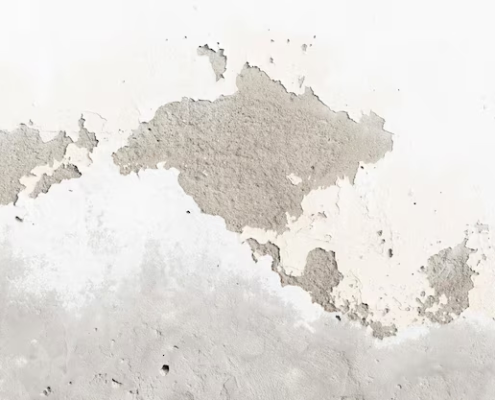
Paint can provide another early clue. Basement paint may start bubbling, flaking, or peeling when moisture is pushing through the wall from behind. You might also notice discoloration or areas where a coating no longer sticks properly.
It can be tempting to scrape the wall and add another coat of waterproof paint. That may improve its appearance for a short time, but paint cannot correct drainage problems or remove water pressure outside the foundation.
If the same area keeps peeling after it has been repainted, there may be a moisture problem behind the surface. This is especially important in finished basements where paint, drywall, or wall coverings can make the original foundation harder to inspect.
5. Small Foundation Cracks That Keep Changing
Not every foundation crack means you have a serious structural problem. Concrete and masonry can develop cracks for several reasons. What matters is whether the crack changes.
A crack that becomes wider, longer, or begins leaking deserves attention. The same is true if several new cracks appear over a relatively short period. Cracks can provide a path for water, but they may also tell you that pressure or movement is affecting the foundation.
Wisconsin’s wet soil and freeze-thaw cycles can place repeated stress on basement walls. Watching cracks over time can help homeowners recognize changes instead of assuming every crack is simply part of an older home.
6. Your Basement Feels Humid Even Without Visible Water
A basement can have a moisture problem without a visible leak. You may notice that the air feels damp or that cardboard boxes and fabrics feel slightly moist. Windows may develop condensation. Metal objects can begin showing signs of rust.
A dehumidifier that seems to run constantly can also be a clue. Some basement humidity is normal, particularly during warm and humid Wisconsin summers. However, ongoing high humidity can also indicate that moisture is entering through basement walls or floors.
If you keep lowering the humidity but it quickly returns, it may be time to look beyond the dehumidifier and find the moisture source.
7. Dampness Along the Wall and Floor Joint
The point where your basement wall meets the floor is an important area to watch.
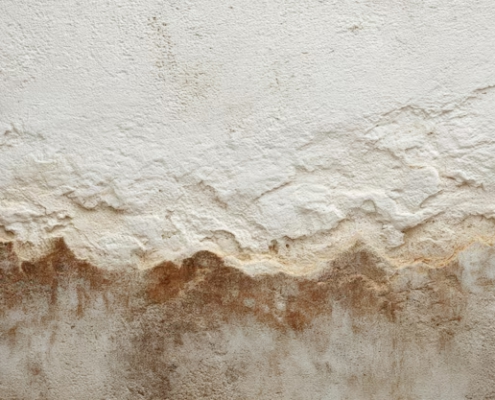
Homeowners may notice dark spots, dampness, staining, or small amounts of water along this joint after heavy rain. The area may dry quickly, making it easy to forget about until the next storm. This type of moisture can be related to groundwater pressure around or beneath the foundation.
A properly working drainage system helps collect groundwater and move it away from the basement. If you are seeing repeated moisture near the floor, learning how interior drain tile systems help keep basements dry can give you a better idea of why drainage below the floor matters.
8. Don’t Wait for Standing Water
Basement waterproofing warning signs are often quiet. A musty smell, peeling paint, a changing crack, or damp spot along the floor can be easy to overlook during everyday life.
Our team at Zablocki Waterproofing has helped Milwaukee and Southeast Wisconsin homeowners solve basement water problems since 1985. We know what early moisture problems look like and how local soil, rain, snowmelt, and older drainage systems can affect your basement.
If something in your basement does not look, smell, or feel right, call us. We’ll inspect the problem, explain what may be causing it, and recommend the right Milwaukee basement waterproofing solution before a small warning sign becomes a bigger repair.
 By Dale Granbois, co-owner of Zablocki Waterproofing
Dale Granbois is the proud co-owner of Zablocki Waterproofing, the premier basement waterproofing and foundation repair service provider in Milwaukee. Our team of experienced professionals offer a variety of services from complete basement waterproofing solutions to structural foundation repairs -all designed to keep your home or business safe and dry. Let us save you from expensive headaches caused by water damage and give you peace of mind with a safe and secure property. Contact us today for more information!
Our Service Area