 River and Low-Area Risks | Groundwater Levels | Soil Conditions | Seasonal Flooding | Drain Tile Systems | Warning Signs | Waterproofing Solutions | Protect Your Basement
Living near a river or in a low-lying neighborhood can come with beautiful views and easy access to nature. However, these locations can also create extra challenges for homeowners trying to keep their basements dry.
Throughout Milwaukee and Southeast Wisconsin, homes near rivers, creeks, and low areas may experience higher groundwater levels, slow drainage, and water collecting around their foundations. Heavy rain and spring snowmelt can make these problems worse, especially when the ground is already saturated.
Understanding how your home’s location affects basement moisture can help you recognize problems early and choose the right waterproofing solutions.
Key Takeaways
-
Homes near rivers and low areas may face greater groundwater pressure. Wet soil and high groundwater can increase the risk of basement leaks, even when a river does not flood.
- Poor drainage can make water problems worse. Low-lying properties may collect rainwater and snowmelt, leaving moisture around the foundation for longer periods.
- Basement waterproofing helps manage groundwater. Drain tile systems, sump pumps, and foundation repairs can help protect homes from recurring moisture problems.
Why Homes Near Milwaukee Rivers May Have More Basement Water Problems
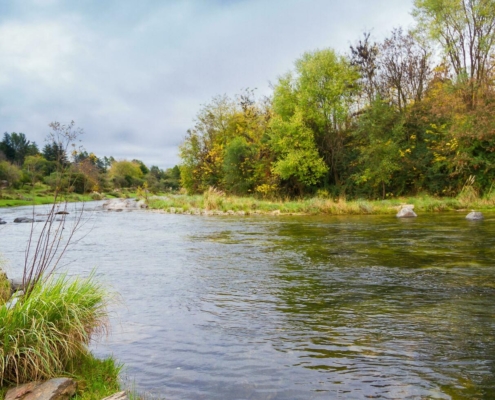
Milwaukee has several rivers and waterways running through residential neighborhoods, including the Milwaukee River, Menomonee River, and Kinnickinnic River. Homes near these waterways may experience different groundwater and drainage conditions than properties on higher ground.
When rivers rise after heavy rain or snowmelt, groundwater levels in nearby areas may also increase. This can leave more moisture in the soil surrounding basement walls and floors.
Some homes experience water problems during storms even when the nearby river remains within its banks. In these cases, saturated soil and groundwater pressure may be responsible.
How High Groundwater Levels Affect Your Foundation
Groundwater is the water found beneath the ground’s surface. Its depth changes depending on rainfall, soil conditions, and nearby bodies of water. When groundwater levels rise, more water may collect around the foundation.
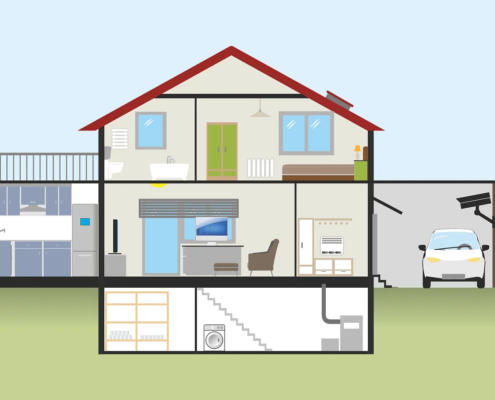
This creates hydrostatic pressure, which pushes against basement walls and floors. If the foundation has cracks, weak joints, or drainage problems, moisture may begin entering the basement.
Homeowners often notice water along the joint where the basement wall meets the floor. Others may see damp spots, recurring leaks, or water appearing through cracks in the concrete.
A basement that stays dry during normal weather may begin leaking after several days of heavy rain. Waterproofing systems help manage this pressure by collecting groundwater and directing it away from the basement before it causes damage.
Why Low-Lying Properties Can Have Drainage Problems
A home does not need to sit next to a river to experience groundwater problems. Properties located at the bottom of a hill or in a low section of a neighborhood may collect runoff from surrounding areas.
Rainwater naturally flows downhill. If the yard slopes toward the house, water may collect near the foundation instead of draining away. Low areas can also remain wet longer after storms because water has fewer places to go.
Over time, this moisture can increase pressure against basement walls and contribute to recurring seepage. Homeowners should pay attention to standing water in the yard, soggy soil near the foundation, and downspouts that discharge too close to the house.
Correcting surface drainage problems can help reduce the amount of water reaching the foundation, although some homes also need a basement waterproofing system.
Milwaukee Soil Conditions Can Make Water Problems Worse
Soil plays an important role in how water moves around your home. Many areas of Milwaukee and Southeast Wisconsin contain clay-heavy soil. Clay holds moisture and drains more slowly than sand or gravel.
When heavy rain saturates clay soil, water may remain near the foundation for an extended period. Homes near rivers may also have different soil conditions, including layers of sand, silt, clay, or fill material. These differences affect how quickly water moves through the ground.
Even two nearby properties can have different basement water problems because of their soil, grading, and drainage conditions. Our article about why Milwaukee’s clay soil makes basement waterproofing important explains how local soil can contribute to moisture problems around foundations.
Heavy Rain and Spring Snowmelt Increase the Risk
Wisconsin weather creates seasonal challenges for homes near rivers and low areas. During spring, melting snow adds moisture to soil that may already be wet. Frozen or partially frozen ground can also limit how quickly surface water drains.
Heavy summer storms can create similar problems by delivering large amounts of rain in a short period. If the ground becomes saturated, water may begin collecting around the foundation faster than the existing drainage system can remove it.
Homeowners may notice their sump pump running more frequently during these periods. Repeated water intrusion after storms can indicate that the drainage system needs attention.
Why Drain Tile Systems Are Important in Low Areas
Drain tile systems are especially useful for homes that experience recurring groundwater pressure. These systems collect water near the foundation and direct it toward a sump pit or another approved drainage outlet.
When properly installed and functioning, drain tile helps reduce groundwater buildup around the basement. For homes in low-lying areas, an effective drainage system can make a major difference during wet weather.
However, older drain tile systems may become clogged, damaged, or less effective over time. If your basement begins leaking after years of staying dry, the drainage system may need to be inspected.
Our guide explaining what drain tile does provides more information about how these systems help protect basements from groundwater.
Warning Signs Your Basement Needs Waterproofing
Basement water problems often develop gradually. You may notice dampness along the basement floor, water stains on foundation walls, or musty odors that become stronger after rain.
Other warning signs include:
-
Water along the wall and floor joint: Moisture may be collecting around or beneath the foundation.
-
Recurring leaks after storms: Groundwater may be entering through cracks or weak areas.
-
A sump pump that runs frequently: High groundwater levels or drainage problems may be increasing the amount of water entering the system.
-
White powder on basement walls: Mineral deposits may indicate that moisture has moved through the concrete or masonry.
-
Standing water near the foundation: Poor grading or drainage may be directing runoff toward the house.
These symptoms do not always mean a major waterproofing project is needed. However, they should be evaluated before the problem becomes more serious.
Choosing the Right Waterproofing Solution for Your Property
The best basement waterproofing solution depends on the source of the water. Some homes need improved grading or drainage around the property. Others may require foundation crack repairs, drain tile replacement, or sump pump improvements.
Interior waterproofing systems can help collect groundwater before it enters the basement living space. Exterior waterproofing may also be an option when access and foundation conditions allow.
For properties near rivers or in low areas, the inspection should consider both groundwater and surface drainage.
It is also important to distinguish ordinary groundwater seepage from river flooding. Homes in mapped flood zones may need additional flood protection measures beyond standard basement waterproofing.
Our article explaining how basement waterproofing works provides a closer look at the different methods used to manage water around foundations.
Protect Your Basement From Groundwater Problems
Homes near Milwaukee rivers and low-lying areas can face additional moisture challenges, especially during heavy rain and spring snowmelt. High groundwater, slow-draining soil, and poor surface drainage can all increase the risk of basement leaks.
Our team at Zablocki Waterproofing has helped homeowners throughout Milwaukee and Southeast Wisconsin with Milwaukee basement waterproofing, drain tile repairs, and foundation repairs since 1985. We understand how local soil, seasonal weather, and groundwater conditions affect basements.
If your basement develops moisture after storms or you’re concerned about drainage around your home, call us at (414) 520-0122. We’ll inspect your basement, identify possible water problems, and recommend a Milwaukee basement waterproofing solution that fits your property’s needs.
 By Dale Granbois, co-owner of Zablocki Waterproofing
Dale Granbois is the proud co-owner of Zablocki Waterproofing, the premier basement waterproofing and foundation repair service provider in Milwaukee. Our team of experienced professionals offer a variety of services from complete basement waterproofing solutions to structural foundation repairs -all designed to keep your home or business safe and dry. Let us save you from expensive headaches caused by water damage and give you peace of mind with a safe and secure property. Contact us today for more information!
Our Service Area